
Chapter Eight
or, The Weight of Acknowledgement

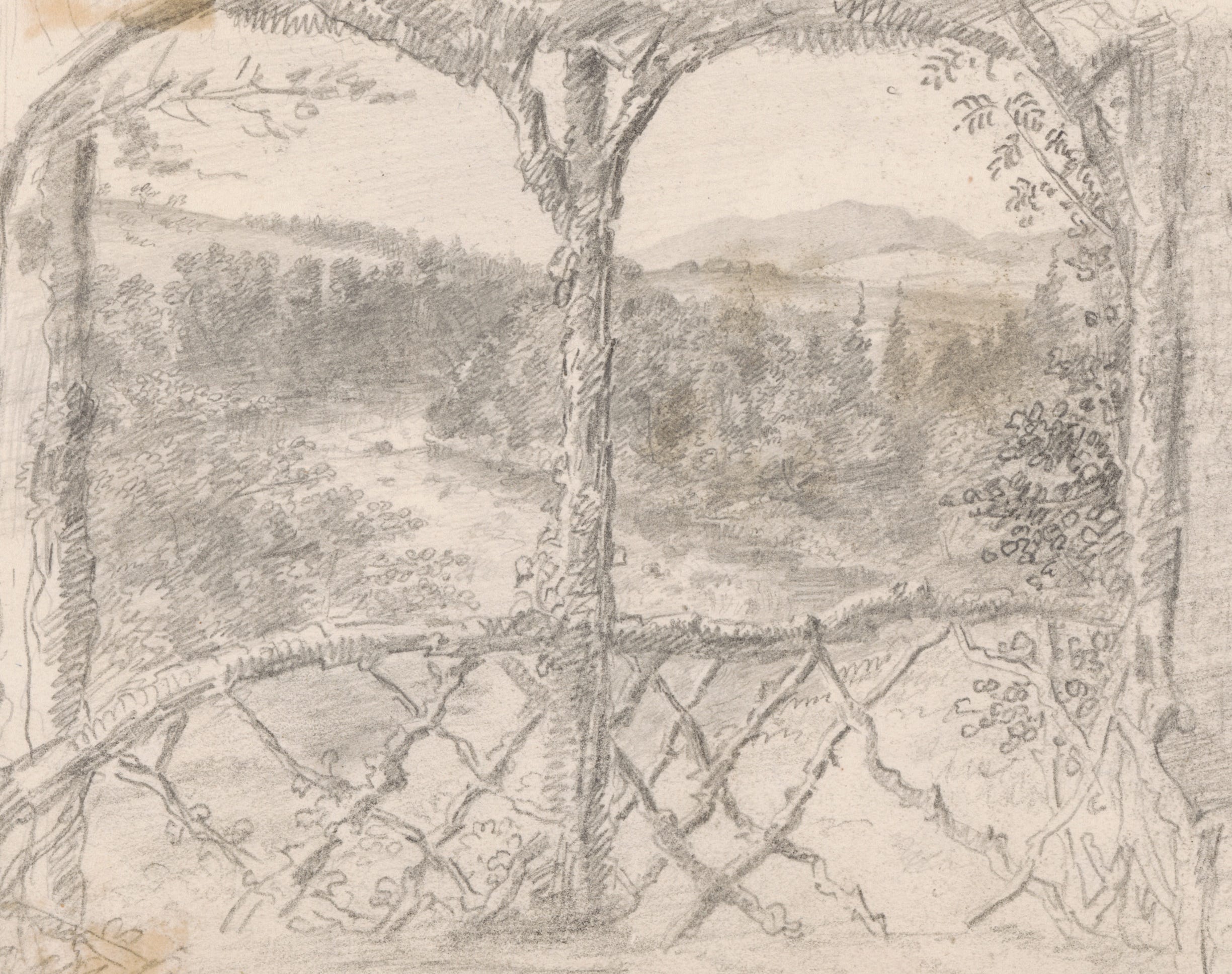
Varo processed the afternoon correspondence methodically, the small stack sorted by origin and urgency before he had fully settled into his chair. Bills of exchange. A letter from the northern holdings. Two invitations to things the Conte would decline.
And then this.
The seal of Velleia’s civic council. The weight of official paper, heavier than correspondence paper, heavier than it needed to be for any practical reason, as though the council had decided at some point that finality should have physical substance. He had handled documents from the council before — land surveys, tax assessments, the original grant paperwork that had started all of this.
This document felt heavier.
Afternoon light came in low and warm through the study window. The villa breathed around him, ordinary sounds that felt distant now.
He set the document on the desk.
Picked it up again.
He did not open it. There was no need to open it. He knew what it was.
He straightened the document on the desk.
Stood.
Picked it up.
Went.
He found them where he expected to: in the heart of the rear garden beneath the wisteria-wrapped pergola, enjoying the nascent Budding-Month warmth of spring.
The Conte was reading, a thin book held loosely in large, calloused hands. His eyes moved across the page with the steady attention of someone who read because they wanted to and not because they were expected to.
The Contessa was not reading.
A report — a quarterly summary that she had been meaning to review for two days — lay on the small table beside her beneath a smooth river stone, its edges lifting and settling again. Her tea was beside it, probably cold. She was sitting with her face tilted slightly upward, eyes closed.
She looked, Varo thought — and then did not finish the thought, because it was not a thought that belonged to him.
He stood at the edge of the pergola for a moment, listening to the turn of a page, to the soft movement of the wisteria petals in the breeze, to the birdsong and the commentary of the distant fountain.
He was aware that he was doing this — standing, not yet announcing himself, taking a moment he was not strictly entitled to. He was also aware that he had carried their correspondence for five years, had managed their household’s written life, had been present at the edges of more conversations than he could count. And that this was, in all likelihood, the last time he would find them like this.
The vine moved. The light shifted. The Contessa’s report fluttered once against the river stone and subsided.
He stepped forward.
“My lord.”
The Conte looked up from his book with the unhurried attention of someone returning from a significant distance. His eyes found Varo, then the document in his hand, and something in them settled into recognition. The Conte was, in Varo’s long experience of him, a man who recognized things before he acknowledged them.
“Varo,” he said.
The Contessa opened her eyes.
She didn’t look at Varo immediately. She looked at the Conte first — a brief, comprehensive glance, reading whatever his expression had done in the moment before she’d opened her eyes — and then she looked at Varo, and at the document, and her face arranged itself into the precise composure she kept for things she had already decided how to receive.
“The civic acknowledgment,” she said.
“Yes, my lady.”
The Conte closed his book. Set it on the arm of the chair. He and the Contessa looked at each other for a moment in the way they sometimes did — without apparent communication and with complete communication — and then he held out his hand and Varo gave him the document.
The Conte broke the seal. Unfolded it. Read it, which did not take long, because official documents of this kind were not long. Their entire content was the confirmation of a thing already done, the bureaucratic world catching up to a reality that had existed since the evening of the Seventeenth of Thawing.
He passed it to the Contessa.
She read it. Her eyes moved across it once, efficiently. Holding it in her lap, she looked at the vine overhead, at the shifting pattern of light and shadow, the breeze doing its small work among the flowers.
“Mm,” she said. “Always wanted to be formally acknowledged.”
The Conte made a sound — an almost-laugh briefly dipping into the real thing, quiet and genuine and entirely fond. “The council takes its time.”
“The council,” she said, with the precision of someone selecting a word with care, “is thorough.”
“Comprehensively.”
“One does feel the thoroughness.”
The almost-laugh again. She looked down at the document in her lap. Something passed across her face — something quiet and unguarded for a moment and then folded away again with the gentle efficiency of someone who knew where things went.
She handed the document back to the Conte.
He took it. Held it without looking at it. His thumb moved once across the civic seal, a small unconscious gesture, and then he set it on the table beside her cold tea and her report and her river stone, and looked at the grounds beyond the pergola — Matteo’s roses, the fountain with its matronly chuckle, the hill falling away toward the merchant road on one side and the city on the other.
Varo waited.
This was his function in this moment — to have delivered the thing and to remain until he was no longer needed, and to be, in the interim, as close to invisible as a person could be while still being present. He stood at the edge of the pergola with his hands at his sides and his face arranged into the professional nothing that he had spent years perfecting and watched two people sit with something he did not have a name for and did not need to name.
He was aware, standing there, that his days were going to be different.
Not immediately. There would be a week or two yet of the ordinary rhythms, the parallel correspondence, the quarterly summaries and the estate documents and the occasional afternoon like this one where both of them ended up in the same place without having planned it.
And then there wouldn’t be.
The Conte looked up.
“Thank you, Varo,” he said. “That’ll be all.”
“My lord.” He looked briefly at the Contessa — a glance, professional, the habitual acknowledgment of both principals before withdrawal.
She was looking at the vine again. The light moved across her face in its broken pattern. The river stone held the quarterly report against the breeze.
She closed her eyes.
He went back inside.
The document sat on the table between the cold tea and the river stone.
Beltran picked up his novel.
He had stopped hiding the spines years ago. He wasn’t sure exactly when — it hadn’t been a decision so much as a gradual cessation, the dust jackets appearing less frequently until one day he had simply reached for a book and carried it outside without thinking about what the cover said, and she had glanced at it and said nothing, and that had been that. Years of reading what he actually wanted to read in the presence of another person without comment or consequence.
He looked at the page.
The words were there. He knew what they said — he had been in the middle of a scene, something he had been enjoying, the pleasure of a story doing exactly what it promised to do — and now the words were present and he was not reading them. His eyes rested on the page with the polite fiction of attention.
His thumb pressed against the spine.
Vessa’s fingers found the rim of her teacup.
Cold. She had known it was cold before she touched it and touched it anyway, tracing the curve of the rim in the slow distracted way of someone whose hands needed something to do while her mind was elsewhere.
She looked at the vine.
It had been here longer than any of them. Longer than the villa’s current staff, longer probably than several of the documents in the estate archive. It had grown in its own direction, trained loosely along the pergola’s wooden frame, and the frame had accommodated it, and the result was this — the purple of it overhead, the clusters moving in the breeze, the light coming through them softened and strange.
She had sat under it perhaps a hundred times.
She had not, until recently, counted.
Her finger traced the rim. The fountain somewhere beyond the rose beds made its sound, the low musical complaint of water over old stone, a sound she had stopped hearing years ago the way you stopped hearing things that were always there, and had started hearing again recently in the way you started hearing things that were almost gone.
She breathed in.
The wisteria was everywhere — sweet, rich, intensely present, heavy in her chest.
“I will miss this,” she said.
Beltran’s fingers flexed against the spine of his book. His amber eyes, still on the page, softened.
“We will be neighbors,” he said.
“Yes.” Her finger stilled on the rim. “And friends.”
“Yes.”
The vine moved. Light shifted across her hands, across the table, across the document with its heavy paper and its civic seal and its confirmation of a thing they had both already known for months, for longer than months if they were being honest, which they generally were.
Neither of them said it wouldn’t be the same.
She breathed in again.
Beside her, the report fluttered once against the river stone, and the stone held it, and the breeze passed, and everything settled.
He turned a page he hadn’t read.
She looked at the vine.
The fountain chortled its amusement.
The afternoon continued in its own unhurried way, just the two of them, for a little while longer, under the wisteria blooms.
Chapter Nine

The Contessa moved out the way she had done most things — methodically, in stages, without drama.
Image
George Linen, Landscape view from trellis, n.d.a. (public domain)